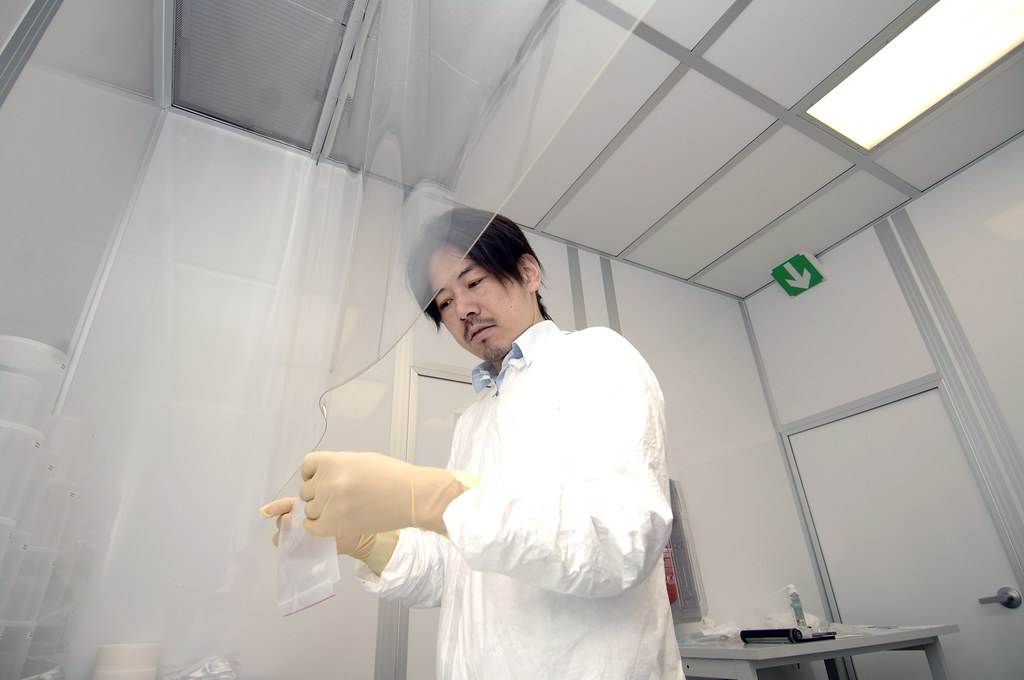
Cross-contamination in health research is not always evident, as well. A sample may look clean, a solution may appear clear, and the data may still be compromised before a single reading is taken. For researchers working with peptides specifically, the margin for error is narrower than most lab protocols account for, because the compounds themselves are chemically unstable in ways that ordinary sterile technique wasn’t designed to address.
Contents
The Chemical Fragility of Peptides
Peptides are not only sensitive to microbial contamination, but also to the conditions that facilitate contamination. Factors such as pH, enzyme exposure, and temperature fluctuations can lead to the degradation of peptide chains before the actual presence of contamination.
The majority of study peptides are delivered in their lyophilized form, often forming a solid powder that is relatively resistant to microbial contamination and degradation by environmental enzymes. To analyze most peptides, lyophilized powder must be carefully reconstituted in solvent. You can imagine that the risk of microbial contamination concentrates in this process, as solvents provide an ideal habitat for a wide variety of bacteria, yeast, and mold. Once liquid is introduced, particularly water, it becomes a haven for life. Whether from airborne spores settling on the liquid’s surface, or from micro-organisms already on the surface of the reconstituted peptide itself, these bad actors can go to town with your clean, high-purity peptide chain.
Unlike many other types of products, the nature of purified peptide chain biological tests is generally such that even a tiny amount of compound degradation, a situation that would change properties such as the selectivity or sensitivity of a chain, might not be notable enough to warrant tracing back to a contaminated peptide sample.
Choosing the Right Diluent
The selection of a diluent to reconstitute lyophilized peptides is vitally important for the stability and integrity of the completed solution. Sterile water, or bacteriostatic water, are the two options available for purchase, but a peptide researcher should consider more than solubility and dissolution times when deciding what to use.
Creating an ideal solution for your research chemical begins at the molecular level, and that term is simply too vague to guarantee optimum results. Given that delicate peptides will disintegrate if they are overly acidic, or suffer deamidation in the opposite direction, an optimal pH for peptide solubility is between 6 and 8 (higher for long-term storage). Sterile water may only increase a sample’s acidic pH, while the benzyl alcohol in BA water holds the chemistry steady at the 7 range.
Aseptic Technique at the Point of Contact
Not even the right diluent can help if the entry point is contaminated. The rubber stopper sealing the vial, also known as the septum, has been proven to be the most neglected and dirtiest surface in multi-dose preparation. Rubber septums were shown to harbor viable bacteria for up to 24 hours in a study that appeared in the _Journal of Clinical Microbiology_. Other studies have shown this to be one of the most common reasons for sample contamination found during research.
Mechanical disruption is the first step in preparing rubber septums for needle insertion. Wipe the rubber with friction. Isopropyl alcohol will be ineffective if the needle point contacts intact bacterial cells adhered onto the septum. The second step is to scrub the rubber septum with a 70% isopropyl alcohol wipe. Both steps are necessary – alcohol alone without friction leaves structural debris behind, and friction without alcohol doesn’t reach what’s embedded in the septum material. This combined physical and chemical action will break down the cell walls of any bacteria present. Follow by allowing time to contact dry.
Syringe and needle handling also require meticulous attention to detail. Neither the needle nor the barrel of the syringe, especially any part below the plunger, should ever come in contact with any non-sterile field. This includes hands and human skin, as studies have shown that even after proper hand washing your skin will shed viable bacteria for up to 15 minutes. No amount of gloves, mask, and coat can substitute for good syringe/needle handling technique in reducing reactive peptide contamination.
Environment and Storage Protocols
If you don’t add preservatives to your peptide solutions and store them overnight or longer, you can expect that bacteria able to replicate under refrigeration will increase in numbers. This is also true of endotoxin levels, which won’t replicate but can rise due to the accumulation of dead bacteria that were originally pyrogenic. If you want more bacteria or endotoxins in your work, by all means, store them overnight unrefrigerated.
Data Integrity Starts with Sample Integrity
Scientists who put a lot of effort into experimental design may tend to underestimate the handling protocols that safeguard the raw materials of the experiment. Peptides are not rugged molecules. By design, they are biologically active, so they are responsive to their surroundings, and that includes the surroundings that decide their preparation.
Preventing cross-contamination in peptide research is not a hygiene afterthought. It’s the basis upon which every other variable in the study is created. Get the diluent right, the surface preparation right, and the storage right, and the data you’re analyzing is actually the data you think it is.