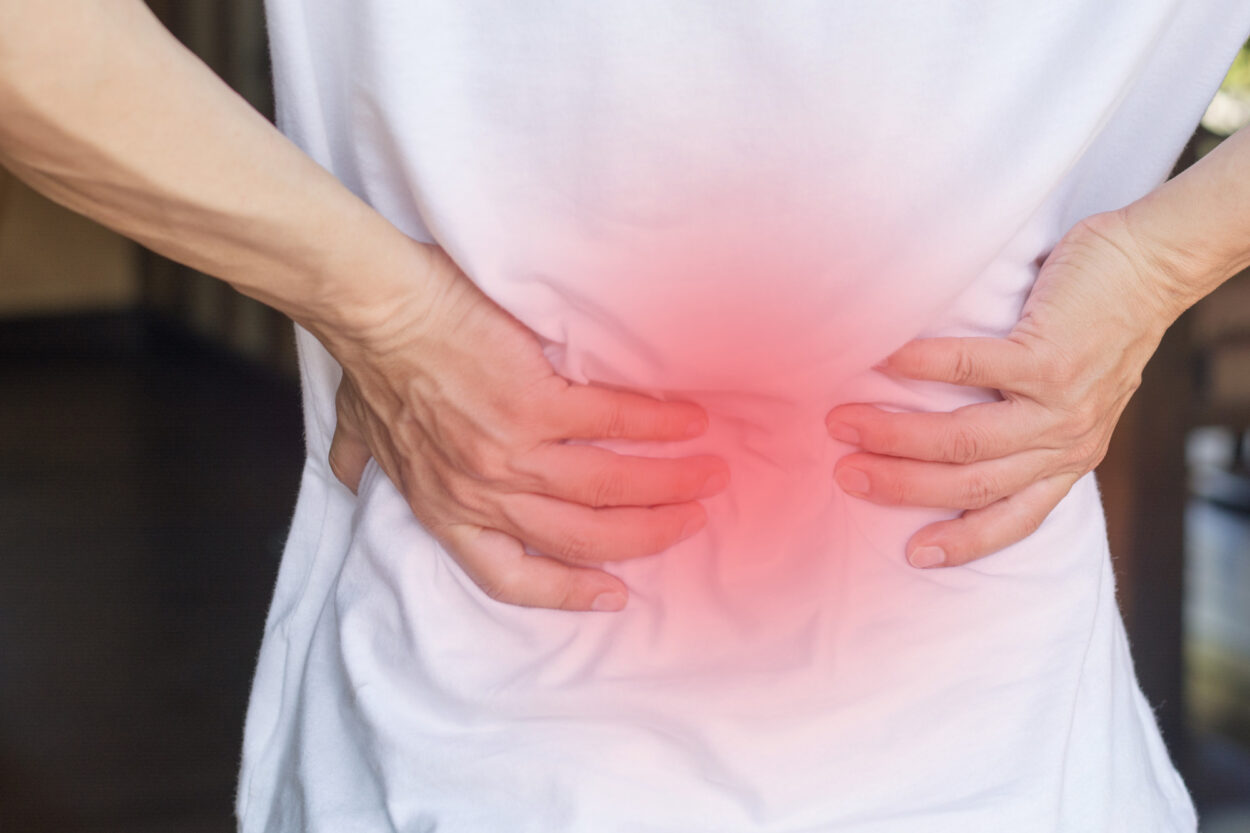
An interesting fact that they don’t really mention when talking about the relationship between chronic psychosocial stress and lower back pain is that stress not only leads to the development of lower back pain, but also worsens its progression.
Contents
What Happens in Your Body When Stress Hits
When your brain recognizes a threat (a deadline or a tough conversation), your sympathetic nervous system activates. Your body goes into fight or flight mode, and involuntary muscle guarding is among the first reactions. The muscles contracted next to your spine dig in and secure, like preparing for a hit. It’s a good response for a few seconds. But for many folks, it never turns off. High cortisol levels keep those muscles biting in a low-level switch, blocking the rich blood flow that those tissues require.
The result is inflamed, tired, and painful muscles, not because they are structurally affected, but because the muscles are stuck in continuous tension with no relief. Approximately 77% of adults regularly experience physical symptoms caused by stress, with muscle tension and fatigue ranking as the most common (American Psychological Association).
Why Mental Relaxation Alone Doesn’t Fix it
Practicing mindfulness, going to therapy, and managing stress make it less likely you’ll slide back into the chronic-tension state that creates and maintains subluxations in the first place. And if you’re not in acute pain when you start these habits, it’s far more likely they’ll be a successful long-term anxiety and pain management strategy.
But you don’t start from a blank slate. If your spine is already out of alignment, working with a backache chiropractor is the most effective and most empowering option for teaching your body what it’s like to be pain-free and starting the process of physical recovery.
How Breathing Makes it Worse
Most people tend to take shallow breaths from their chest when they’re under stress. This causes an issue in the thoracic spine, the mid-back region that’s meant to move with every deep breath. When breathing from the diaphragm is compromised, the surrounding muscles in the neck and upper back take over to support breathing which leads to tension and pain.
The secondary respiratory muscles in the neck, chest, and upper back become overworked which causes increased strain on the thoracic spine and rib cage. This prolonged strain leads to mid-back tightness, pain, and even headaches. The loss of movement in the ribcage can also cause difficulty taking a deep breath, a catch-22 if there ever was one.
The Postural Shift You Probably Don’t Notice
Extended periods of mental stress and tension not only lead to constrained muscles but they also determine the way your body is positioned. Shoulders hunched, head thrust forward, upper back rounded to some extent, these reflex postures get formed over time and unless the discomfort triggers we hardly notice them. The cost of this mechanical adaptation is most significant on the lumbar spine.
When your head weighs 10 to 12 pounds and is thrust forward and down in front of your shoulders, your postural center of gravity moves forward, and the lumbar spine, that curves inwards, takes the brunt of keeping you from tipping over forward. As if that weren’t enough, the body in alarm and stress mode unconsciously over-tightens the lower back muscles for even more stability.
The result is quite simple. Back muscles and the tiny muscles that rotate and stabilize the vertebrae in your lower back (the multifidus) get strained due to overwork and reduced leverage on the disk. As you breathe, the diaphragm that helps you naturally to sustain and support the lumbar spine rises and falls, but in conditions of high stress when you subconsciously contract the oblique and pectoral muscles (thoracic breathing), the lumbar is not helped to cope with the excessive weight.
The Feedback Loop Works Both Ways
This is important because pain and stress are not running in parallel, they are increasing each other. When your lumbar spine is under pressure and your thoracic spine is immobile, your nervous system interprets those physical cues as additional stress. Your brain receives more stress messages from the body, raising cortisol even more, which increases muscle stress, which increases pain.
Somatization, i.e. expressing psychological stress through physical symptoms, is a real physiological response, not an expression of imaginary pain. The allostatic load, the cumulative damage to your spine due to prolonged stress, is a quantifiable measure. Reckoning with it as a physical injury, not a psychological slip, is the first step to proper treatment.
Self-Care Steps That Actually Help
Here are two things you can start doing today.
The 4-7-8 breathing technique (breathe in for four counts, hold for seven, breathe out for eight) triggers the vagus nerve and actively moves the nervous system out of fight or flight. Three of those cycles at a time will often reduce muscle guarding on the spot.
Targeted hip-flexor stretching is a direct assault on psoas tightness. The low lunge, held for 60 to 90 seconds per side and repeated often, is perfect. Hip flexors attach directly into the lumbar spine, and taking pressure off your lumbars with typical lower back stretches won’t work as precisely or as well.
These aren’t cures. They’re management strategies, and they’re pretty effective ones, when used in parallel with good help.
Stress back is structural, physical, and treatable. Treating the mind and the spine together is not outside the box, it’s just accurate anatomy.